
Embark on Epic Off-Grid Adventures: The Essentials for RV Boondocking



Room2Roam is your guide to RV travel adventures off the beaten path. Learn how to turn your land into a money-making opportunity by hosting RVers seeking unique, off-grid escapes. Get tips on RV hosting, chat with fellow hosts and RVers, and discover the latest on RV life from the CurbNTurf community.

Popular articles

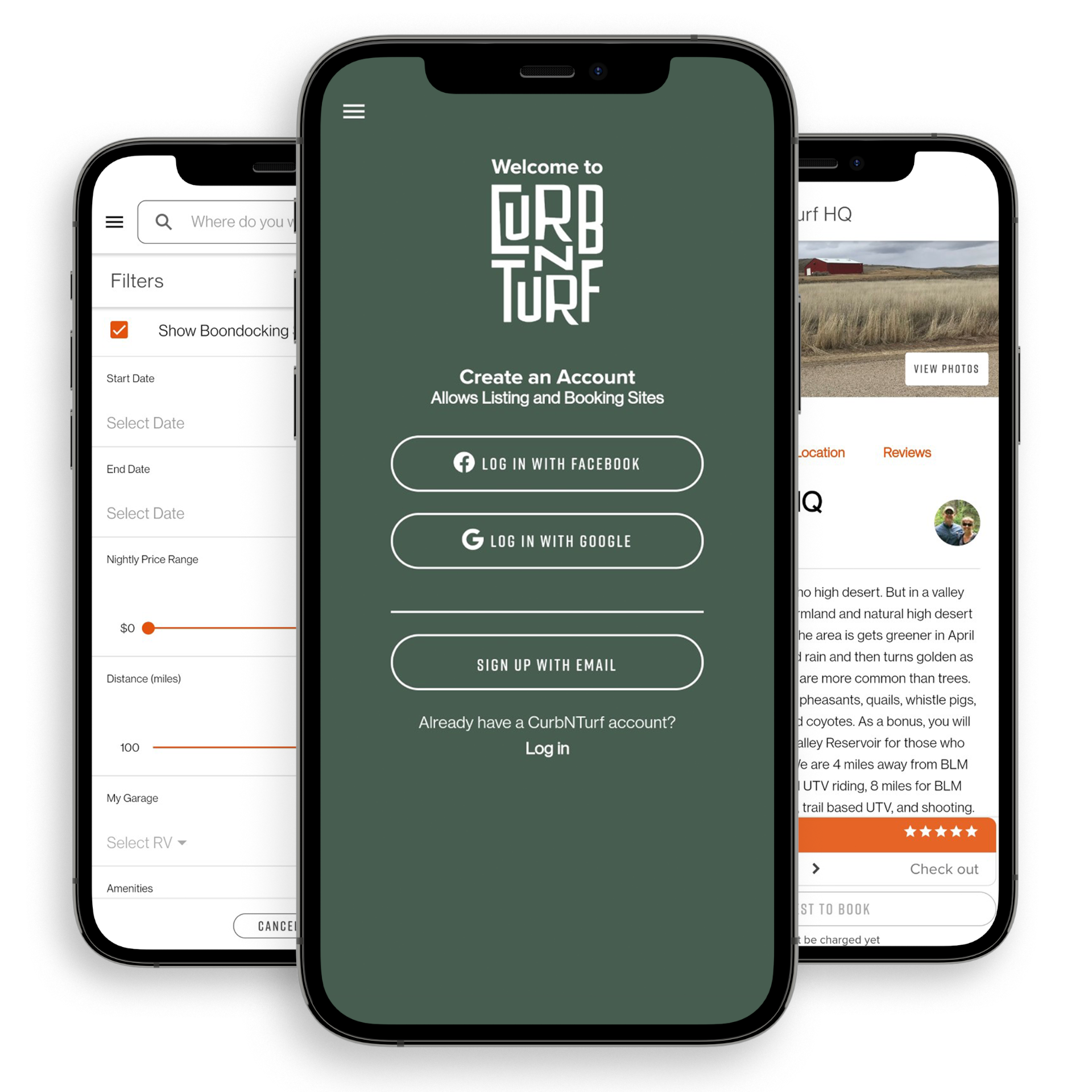
FREE TO DOWNLOAD,
FREE TO USE.


Heading off the beaten path with your RV? This off-grid adventure RV boondocking guide delivers straight-to-the-point pointers for successful wild camping. Find out how to prepare your rig, discover hidden gems, and sustain your off-grid journey — all while preserving the natural world you’re exploring. We'll give you the critical steps to take before, during, and after reaching the backcountry so you can roam freely and with peace of mind.
Key Takeaways
- Boondocking, or dry camping, offers a unique, independent camping experience in nature. It requires preparation and an adventurous spirit.
- Essential RV preparations include securing reliable power (solar, generators), managing water conservatively (filtration systems, portable bladders), and responsible waste disposal (using proper facilities).
- Finding the perfect boondocking site involves scouting public lands using digital tools like CurbNTurf, iOverlander, and Campendium, respecting local regulations, and adhering to Leave No Trace principles.
Exploring the Basics of Boondocking
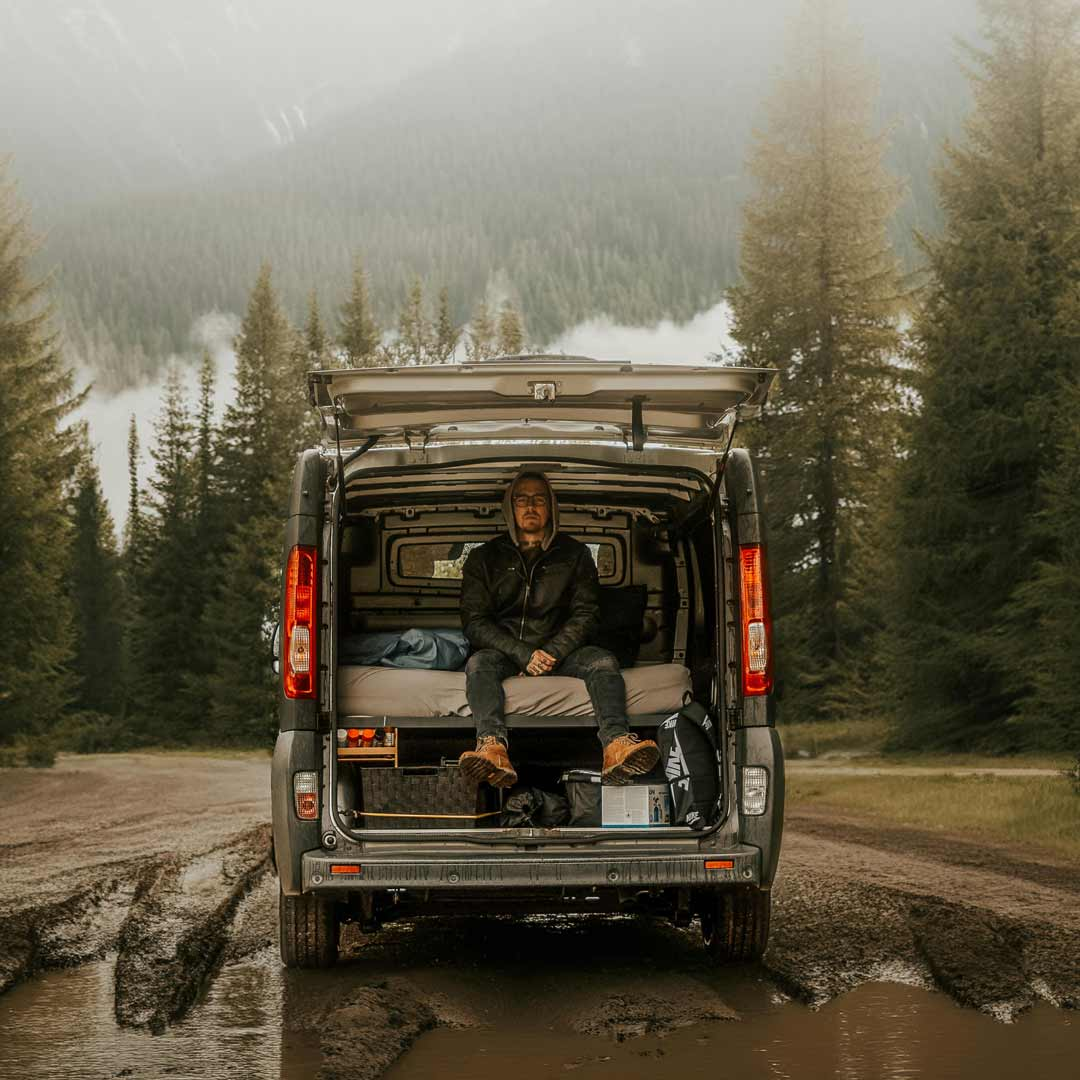
Dry camping, also known as boondocking, represents the ultimate freedom in the camping world. Rather than opting for a designated space within developed campgrounds, envision situating your RV amid boundless natural terrains without being tied to hookups. This approach is preferred by adventure enthusiasts such as Nate & Abi, who cherish the solitude and autonomy found in untouched nature settings. Free camping areas not only provide financial relief but also offer an unparalleled experience. Moments of quiet under a vast sky and opportunities to disconnect from modern life while delving into wilderness living. What’s more? Several free camping areas are essentially free campgrounds that strike a harmonious mix of isolation with essential facilities.
This type of liberating escapade demands careful planning alongside an intrepid mindset. Resources like CurBNTurf's guide to free campsites and advice from the community dedicated to boondocking can be incredibly valuable regarding potential destinations and what you may encounter there. Embrace changeability—it is part and parcel of any authentic dry camping site’s charm—and discover those hidden gems where you exchange civilization’s buzz for nature’s serene rustling sounds.
Preparing Your RV for the Off-Grid Journey
Having a self-reliant recreational vehicle is essential for an autonomous, off-the-grid journey. Consider your RV a dependable companion, one that’s prepared to support you throughout your travels. It’s crucial to have access to a consistent power supply, become adept at conserving water, and handle waste in an environmentally conscious way — these are the foundational elements of a thoroughly equipped RV.
By taking these measures, you can confidently look forward to a seamless boondocking experience, regardless of how far away from conventional campsites or amenities you may venture into.
Securing a Reliable Power Source
By harnessing solar energy, RV enthusiasts can maintain the functionality of their lights and devices. Many contemporary recreational vehicles come equipped with the necessary preparations for easy installation of solar power systems, which include panels and lithium batteries at their core.
On occasions when additional power is required beyond what solar energy can provide—especially for appliances that consume a significant amount of electricity— generator are an invaluable asset by delivering supplemental energy. Portable power stations should not be dismissed. These offer a practical alternative for energizing vital gadgets more modestly.
Water Conservation Strategies
Water, the quintessential food for life, becomes exceptionally valuable when far from the closest refueling point. Safe drinking water can be secured on your journeys with trustworthy filtration systems. Having clean water isn’t solely enough. It’s equally critical to have an ample supply.
With portable water bladders, you can transport a larger volume of water, which means less frequent journeys back to populated areas for replenishment. Combining this increased capacity with a hose-compatible filter during collection and utilizing an onboard filtered pitcher guarantees access to a dependable and efficient hydration system that will keep thirst at bay and spirits high.
Managing Waste Responsibly
Waste management is essential to boondocking, albeit not the most appealing. If your RV lacks an integrated toilet, a portable solution is imperative. When you need to answer nature’s call in the great outdoors, ensure that you excavate a cat hole sufficiently far from any bodies of water.
Online resources such as CurbNTurf can be invaluable for responsible waste disposal during travels. They help you find free dump stations to empty your tanks efficiently when necessary.
Discovering Prime Boondocking Locations
The quest for the perfect boondocking site is integral to the adventure. Utilizing electronic resources and embracing a spirit of exploration, you can find hidden gems on public lands that provide stunning vistas and peaceful seclusion. From the refreshing mountain air in Colorado to Arizona’s dramatic desert landscapes, an idyllic spot for your RV exists.
For an exceptional variation, consider joining Harvest Hosts. This membership grants access to overnight accommodations at places like farms and wineries, infusing your boondocking journey with distinctive local charm.
Scouting Public Lands
Public lands serve as the foundation of boondocking and provide a rich variety of landscapes ready for exploration. From the sprawling BLM lands to the lush national forests, national parks, and forest service land, these areas are a boon for RVers seeking a connection with nature. But remember, with great freedom comes great responsibility. Stay limits are in place to protect these precious resources, including the national forest, so always check local land management regulations before setting up camp.
Moreover, respecting the land means:
- Sticking to designated dispersed camping areas and following dispersed camping guidelines
- Following the unwritten code of the wild
- Don’t be the one who spoils it for the rest; heed stay limits
- Leave your campsite as pristine as you found it.
Parking Lots and Rest Areas
Identifying suitable places for a break is crucial when embarking on a trip. Many travelers find relief at retail giants such as Walmart and Cracker Barrel, which tend to welcome RVs by providing overnight parking spaces. Obtaining permission and complying with local regulations is essential to ensure an undisturbed rest.
While they may not compare to the vastness of public lands, city parks offer a refreshing respite for those answering the call of the road.
Navigating to Your Campsite
The journey to your boondocking destination is part of the excitement. Platforms such as Campendium and CurbNTurf, through their apps and sites, are invaluable tools that lead you to legal and reachable locations for boondocking. Navigating can be challenging. Hence, it’s prudent to have a contingency strategy when venturing into less-traveled areas.
Carrying extra tires is essential, and conducting preliminary checks on the site’s accessibility might prevent you from being in difficult situations.
Using Technology to Find Camping Spots
In today’s digital era, your ideal boondocking site is easily accessible with a simple tap. Through mobile applications such as iOverlander, Campendium, and CurbNTurf, you can explore an extensive collection of user-contributed information and assessments for various boondocking locations. FreeCampsites.net offers a wide selection of free camping sites that cater to off-grid preferences. While Google Maps is an excellent initial resource for finding these spots, ensure a hassle-free camping experience by cross-checking the location’s public land designation and any pertinent regional regulations.
Reading the Land
When you reach your destination for camping, it’s critical to practice respect. Adhere to these key instructions:
- Utilize established roads and campsites to lessen your environmental footprint.
- Heed area-specific signs and camp only within allotted zones.
- Abide by the Leave No Trace principle; take all refuse and waste with you upon departure.
- Honor the space of wildlife and preserve their natural homes.
- Keep noise to a minimum so as not to interrupt the experience of other campers. By adhering to these practices, you’ll contribute positively towards keeping these areas accessible and untouched for future nature enthusiasts.
Living the Boondocking Lifestyle
Once you’ve established yourself in your secluded habitation, the boondocking way of life becomes an exercise in resourcefulness. Your daily habits are centered around carefully conserving water and electricity as every new day dawns with a strengthening bond with the surrounding natural world.
Establishing Your Camp
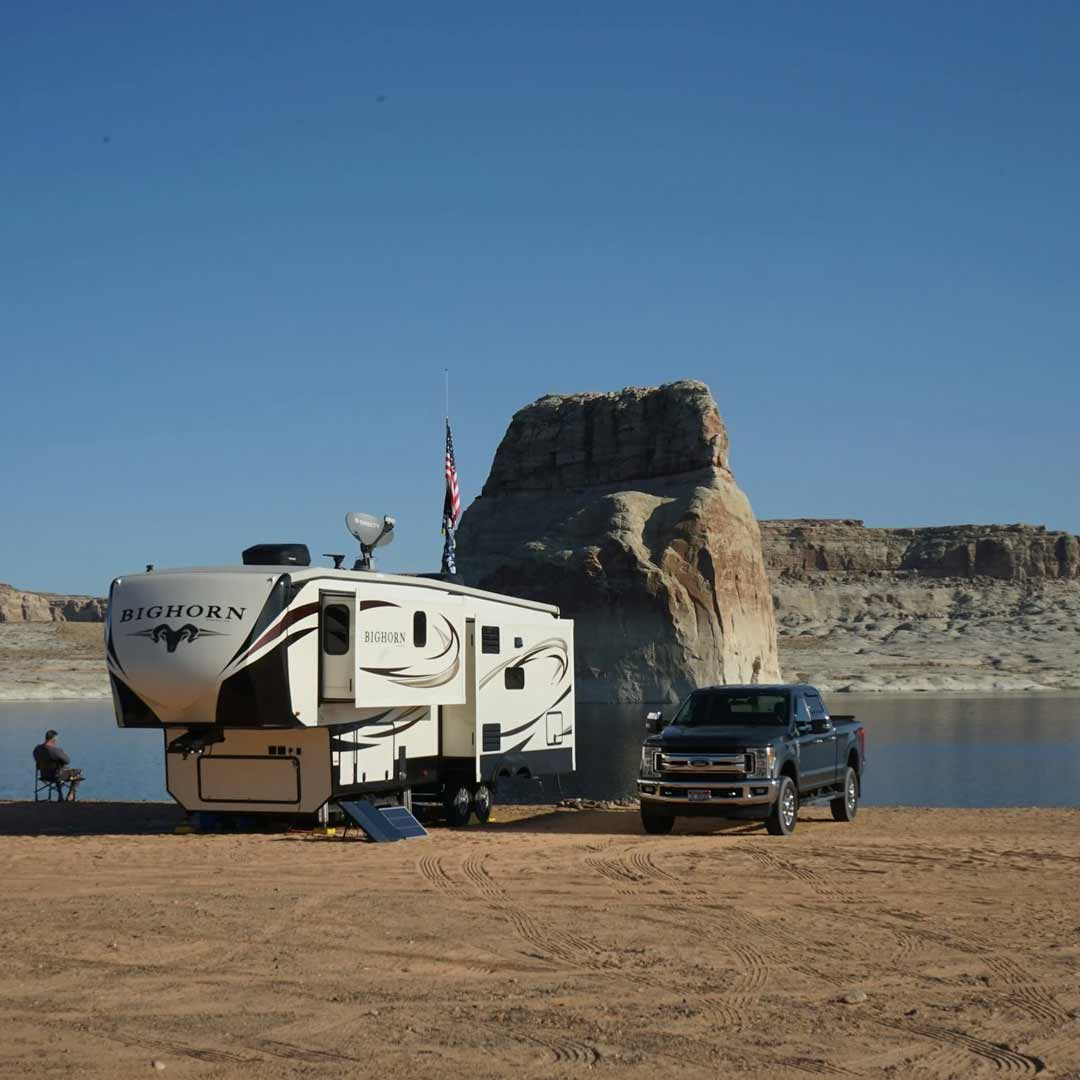
Selecting your campsite is critical to ensuring comfort and safety. Consider the local weather patterns, road accessibility, and necessary resources for a successful stay. Opt for previously used sites and remain vigilant about meteorological changes to maintain convenience and security in your camping spot. When looking for an ideal location, surveying multiple sites is advisable to identify the most fitting one specifically tailored to tent camping needs.
Embracing Simplicity and Sustainability
Boondocking captures the pure simplicity and sustainable nature akin to primitive camping, where a minimalist approach and compliance with Leave No Trace ethics demonstrate profound consideration for the environment and other campers.
Safety and Wildlife Encounters
When venturing into the wild, it is imperative to prioritize safety above all. Anticipating encounters with wildlife, ranging from tiny creatures to magnificent large animals, is a certainty. Correctly storing your food is the primary safeguard against natural occurrences.
Personal Safety Measures
Ensuring your safety takes precedence over protecting the wildlife. It’s essential to have a contingency strategy that addresses every possible scenario, from technical malfunctions with your RV to unanticipated encounters with native wildlife. Treat the security of your RV with the same diligence you would apply to safeguard your home and consider installing motion-detecting lights as a measure against intrusive visitors.
Coexisting with Nature
Living alongside nature is a blessing, especially within wildlife management areas. To protect both their well-being and your own, it’s essential to watch wildlife from afar and refrain from feeding them.
Etiquette and Community Respect
Although boondocking is characterized by its isolated experience, it simultaneously fosters a communal spirit. The exchange of stories and advice through social media and various other platforms enhances the adventure for everyone involved.
Respecting Other Campers
Amid the tranquility of the outdoors, noise travels far. To demonstrate consideration for other campers and the natural surroundings, it’s important to adhere to designated quiet times and operate your generator with care.
Leaving No Trace
Adhere to the ‘leave no trace’ principle. It’s a straightforward approach that guarantees the wild will remain untouched. Properly dispose of garbage and set up camp on resilient grounds to maintain the natural splendor for future visitors.
Gear and Gadgets for the Ultimate Boondocking Kit
To enhance your boondocking experience, equipping your RV with the right accessories is critical. Essential items for this purpose include:
- Solar-powered showers
- Showers heads that conserve water
- A compact grill for cooking outdoors
- A cooler filled with supplies
These gadgets, from solar showers to eco-friendly showerheads, each play a role in optimizing your experience. With a portable grill and ample provisions in your cooler, you can turn any spot into an open-air dining area.
It is essential to enjoy and stay safe and comfortable while boondocking. To achieve this, make sure these are part of your inventory.
- A comprehensive emergency kit
- Trustworthy sources of light
- An easily transportable waste tank
- Mobile propane fire pit for warmth
- Foldable furniture designed for relaxing beneath the night sky
By incorporating these items into your setup, you’ll be set up for fun and well-being during your off-the-grid adventures.
Customizing Your Boondocking Adventure
View your boondocking journey as an empty canvas ready to be filled with your personal touches. Align your destinations with what you love, be it angling in a tranquil lake or photographing nature’s wildlife through the eye of your camera.
As we conclude our exploration of boondocking, it’s crucial to remember that successful escapades hinge on thorough preparation, a respectful demeanor, and an adventurous spirit. Carry forward the guidance, advice, and stories shared from this journey and pave your unique route across the expansive wilds. Allow yourself to be drawn by nature’s allure toward new vistas and memorable experiences.
Frequently Asked Questions
What exactly is boondocking?
Dry camping, often called boondocking, involves camping in remote locations without the convenience of hookup facilities and instead depending on personal supplies rather than those provided by a campground. This method allows for an intimate connection with nature and imparts a feeling of liberty during outdoor exploits.
How do I find boondocking sites?
When searching for sites to build on, consider utilizing applications like Campendium, CurbNTurf, and online resources like FreeCampsites.net. Before establishing your setup, it’s important to confirm the status of public land and be aware of any area-specific regulations.
What are some essentials for boondocking?
When boating, ensure that you have a reliable power source, effective methods for conserving water, and appropriate solutions for managing waste. It’s also important to be equipped with portable solar showers and emergency kits. These elements are essential to having an enjoyable and successful experience while boondocking.
How long can I stay at a boondocking site?
It’s Permitted to remain at a boondocking site for about two weeks. Verifying the particular rules of the location you intend to use is crucial.
Is it safe to boondock alone?
Boondocking alone can be secure, provided you create a safety plan, ensure your RV is well-secured, and prepare for potential wildlife interactions.
To guarantee a safe boondocking experience, it’s essential to remain knowledgeable and properly equipped.


